This Summer Start with a Worm Egg Count! No matter the size, breed, or workload of a horse, all equines are at risk of internal parasites.
Every season brings its problems and summer is no exception. So while the battle to control flies is a visible daily trial at this time of year it’s important to remember about other parasites too such as intestinal worms, pinworm, bots, ticks and summer sores that might affect the health of our horses.
Parasite control is not a single product or a one off decision, it's a process.
Testing gives you vital information, but what happens next is just as important. How you manage dung, grazing, treatment and biosecurity all influence parasite risk and reinfection.
Regular worm egg counts should form the base of your programme. For healthy adult horses that means sending in a faecal sample to be tested at three monthly intervals.
The gaps between testing are based on the life cycle of the small redworm which can complete in as little as five to six weeks, meaning a parasite infection can very quickly get out of hand. This keeps an eye on what's going on before a problem is allowed to develop.

As responsible horse owners our job is to keep parasite levels in check so that our horses remain healthy, to use the drugs we have responsibly to minimise the build-up of resistance and do our best to reduce parasite infection risk with good management. Don't forget the poo picking where you can!
Key Tests this Season


Summer worm control
It's time to Risk Assess, Test, then Manage what happens next:
- Risk assess every horse
- Worm egg count every 8-12 weeks for redworm and ascarids
- EquiSal test for tapeworm if you haven't in the last six months
- Look out for bots, pinworm and ticks
- Plan carefully for any foaling mares
- Manage dung, grazing, treatment and biosecurity to reduce risk and reinfection.
Young, old and rescue horses will need more consideration at this time of year than healthy adult horses.
Routine worming without testing is an outdated approach that can contribute to parasite resistance. However, even when owners test regularly, poor pasture or dung management can allow parasite burdens to rebuild quickly, increasing reliance on treatments and putting pressure on wormer effectiveness.
Good parasite management includes regular poo picking to remove worm eggs from pasture, sensible grazing strategies to avoid overstocking, resting and rotating land where possible, and careful management of horses following treatment to reduce environmental contamination and reinfection.
Is it tapeworm time?
Tapeworm eggs regularly appear in samples under the microscope in summer and are reported where they do. However a sample clear of eggs does not necessarily mean a horse clear of tapeworm so build the Equisal saliva test into your programme for certainty.
We are often misled into thinking only of spring and autumn being ‘tapeworm time’. This traditional pattern was a convenient way to include tapeworm doses in those old fashioned rotational drug programmes but there is no other advantage to sticking to this. If you are one of the many who worm with Equest Pramox in the winter months to cover encysted redworm and tapeworm, the summer is an ideal interval to use the Equisal test to check for tapeworm.
Tapeworm eggs are carried by the forage mite, active on grassland all summer and ingested by the horse while grazing. It takes approximately five to six months for the tapeworm to complete its lifecycle. As it is now about six months since that winter dose, it’s a good time to test.
Wormer Resistance
It’s easy to keep on worming our horses in the belief that the drugs are killing the parasites and all is well. But how do we know they are working? The good news is that we can test to see how effective the drugs have been against a specific parasite species by:
- After a positive worm egg count for redworm or roundworm that requires treatment, conduct a second worm egg count 10-14 days after worming.
- After a positive EquiSal saliva test for tapeworm treat with a recommended drug and test again two months later.
To encourage horse owners to test for resistant worms, we offer price reductions on follow-up worm egg count tests. To take advantage of this special offer you must have tested previously within 4 weeks OR administered a wormer for the possibility of encysted redworm and include the box end of the wormer containing the batch code with the faecal sample.
WHAT ELSE TO LOOK OUT FOR
Summer Sores
Summer sores can affect all equines (horses, donkeys, mules and zebras) and they most commonly occur in places with a tropical or temperate climate.
Habronema or Drashia larvae cause a localised inflammatory reaction in the skin creating exuberant granulation tissue in a circular red, weeping sore. They can occur anywhere on the body of the horse but are most common on the lips and face, legs and any area of trauma to the skin.
Bot flies.
With summer flies comes the potential for bots which lay their yellow, torpedo shaped eggs on the horse’s legs and shoulders. Try to remove these with a bot knife if you can. Your horse will find them irritating and in licking will start the next stage of the lifecycle. They can cause sores at the back of the mouth as they take up residence between the teeth here prior to passing into the horse’s stomach to over winter. Once there it is thought that they cause few problems unless present in large numbers. A dose of ivermectin or moxidectin late in the year after the first frost should treat them but prevention is better than cure.
Ticks off!
Our changing climate and other environmental factors are influencing an increase in the numbers of ticks which we are seeing coming in on our horses, dogs, cats and even ourselves with alarming regularity. These tiny blood sucking parasites live in grassland and latch into the skin of their host to feed. Tick bites can cause localised skin irritations, anemia from blood loss in larger numbers and also have the ability to transmit serious diseases such as Lymes Disease.
Swift removal is important to reduce the risk of pathology and ensuring they are taken off in one piece without leaving the mouthpiece embedded in the skin will also help to prevent infection developing in the wound.
> Shop Tick Remover Tool
Sand Test
Animals can ingest sand as they graze and it can accumulate in the colon over time. Here it irritates the gut lining and, in sufficient quantity, also has the ability to cause impaction of the gut which, if not treated in time, can be fatal. If your horse's graze on sandy soils, overgrazing paddocks, dirt track systems or are being fed in a ménage they could be at risk. For equines in these risk categories a faecal sample can be taken at intervals through the year and checked for sand to assess the levels in the gut.
Advice for the season ahead
Look ahead to autumn using the link below:
cUSTOMER fAVOURITES
SEASON PACKS
A cost effective way to organise your routine tests for the year is with our great value 4Count Season Packs containing everything you need for one horse for a year, or it can be split for multiple horses.
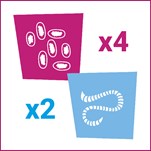
The 4Count pack contains x4 worm counts for redworm and ascarids, while the 4Count Plus pack also contains x2 EquiSal saliva tests for tapeworm.
Both packs offer a great value way to target your horse’s redworm and roundworm control for the year ahead.
SUBSCRIPTION SERVICE
Spring is the perfect time to choose our award winning subscription programme for the ultimate in simplicity and peace of mind for your parasite control.
With six different subscription types to suit your horse and your budget and helping you spread the costs of parasite control across the year, you receive a bespoke plan for each horse and the tests needed to target the right parasites at the right time, sent direct to your door.
Get in touch...
As ever, the Westgate team are here to offer a great laboratory based testing service to help all our customers get the best out of their results, so don’t be afraid to ask for help. You can email, phone or even join the wormy chat on our lively Facebook, Instagram and TikTok pages, no question too small!